
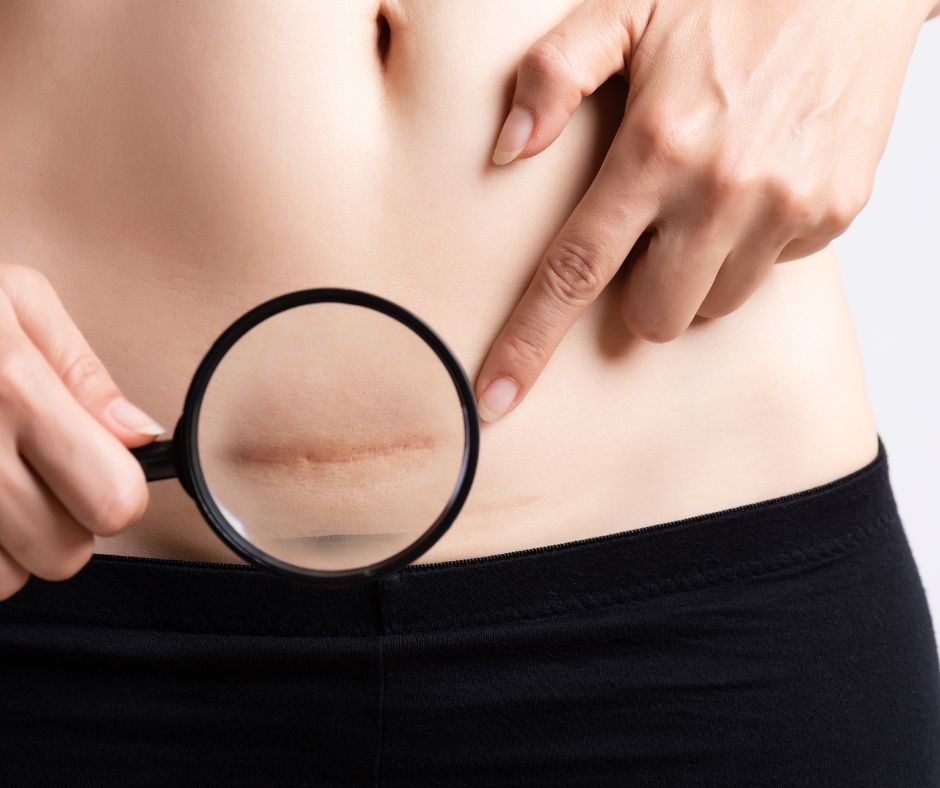
Navigating Post-Surgery Fibrosis
What Is Post-Surgery Fibrosis?
Post-surgery fibrosis is the formation of thick or uneven scar tissue that develops as your body heals after a procedure, most commonly after liposuction or other cosmetic surgeries.
When the body repairs itself, it produces collagen fibers to reconnect and close the tissue. This process is normal and necessary, but sometimes these fibers form in excess or in different directions. The result is fibrosis, which can cause firmness, tightness, or visible irregularities such as dimpling or areas where the skin looks pulled.
What Causes Post-Surgery Fibrosis?
Fibrosis is part of the natural healing process, but some factors can make it more noticeable or excessive:
- Fat necrosis – small pockets of fat lose blood supply and harden.
- Collagen buildup – excess collagen forms during healing.
- Smoking – reduces oxygen flow and slows tissue repair.
- Poor nutrition – lack of protein and essential vitamins delays healing.
- Poor circulation or venous insufficiency – limits oxygen and nutrients needed for recovery.
- Inadequate compression garments – garments that are too loose, too tight, or worn incorrectly can cause uneven pressure, leading to irregular healing and fibrosis.
- Skin type and genetics – some people naturally form thicker or more fibrotic tissue.
Symptoms of Post-Surgery Fibrosis
After surgery, some swelling and firmness are normal. However, if fibrosis develops, you may notice:
- Hard or lumpy areas that persist beyond a month.
- Tightness, discomfort, or restricted movement.
- Uneven skin texture, dimpling, or visible pulling.
- Persistent redness or pigmentation changes.
These symptoms can usually be improved with the right post-surgical care and early treatment.
How Is Post-Surgery Fibrosis Diagnosed?
A trained post-surgery therapist can assess fibrosis by feeling the firmness, mobility, and texture of the treated area. In some cases, imaging such as ultrasound can help evaluate the depth of fibrotic tissue. Early diagnosis allows for better management and results.
What Is the Best Treatment for Post-Surgery Fibrosis?
There isn’t one perfect treatment for fibrosis. The best results can be achieved through a combination of techniques, technology, and professional care introduced at the right stage of healing and tailored to your individual recovery.
An effective protocol may include:
- Manual Lymphatic Drainage (MLD) to reduce swelling, stimulate circulation, and guide collagen fibers to heal more evenly.
- Gentle movement from day one to maintain blood and lymph flow.
- Stretching, once approved by your therapist or surgeon, to prevent tightness and improve flexibility.
- Proper compression and padding to help tissues heal evenly and reduce irregularities.
- Soft tissue techniques, performed in addition to MLD and at the correct stage of healing, to gently soften fibrotic tissue without triggering more inflammation or skin laxity.
- Appropriate technology, such as Deep Oscillation, ultrasound, or radiofrequency. There are many devices available, but I only use those that are safe, evidence-based, and proven effective in my clinical experience. Technology must always be applied with the right settings and timing to achieve the best results.
- Healthy nutrition and proper hydration to support circulation, help the body eliminate excess fluids, and aid tissue repair.
A final word
Fibrosis is a natural part of healing, but when it becomes excessive, it can affect both comfort and appearance. With early assessment, personalised care, and the right combination of treatments, its effects can be significantly reduced.
Even with the best post-operative care and advanced technology, it may not be possible to remove fibrosis completely. Each body heals differently, and individual factors (such as genetics, skin quality, and scar formation ) play a major role in the outcome. What matters most is following the right protocol and beginning treatment at the right time to give your body the best possible chance to heal smoothly and evenly.
After many years of experience treating post-surgery patients, I’ve learned that no single approach works for everyone. As surgical methods evolve, so must post-operative care. That’s why I continue to study, refine my techniques, and update my protocols to give each patient the safest, most effective, and most up-to-date treatment possible.
If you need professional advice, treatment, or a second opinion about post-surgery fibrosis, I’d be happy to help. You can find me at my clinics in Mill Hill Broadway and Islington, where I offer personalised post-operative care and recovery support.
Frequently Asked Questions About Post-Surgery Fibrosis
Is fibrosis normal after surgery?
Yes, it’s part of the natural healing process. Collagen fibers form to repair tissues, but when too many develop, it can cause firmness or uneven texture.
Can post-surgery fibrosis go away on its own?
Mild cases may improve with time, but professional treatments like MLD and soft tissue therapy help the tissue heal more evenly.
When should I start treatment?
Usually within the first few days or weeks after surgery, as advised by your surgeon or therapist. Early care reduces swelling and helps prevent excessive fibrosis.
Can I prevent fibrosis?
Not completely, but you can reduce the risk by following your post-op plan, wearing proper compression, staying hydrated, and maintaining a balanced diet.
Where can I get treatment in London?
I offer tailored post-surgery care at my clinics in Mill Hill Broadway and Islington, including MLD, soft tissue therapy, and safe technology-based treatments.
If you have questions or would like to book your post-surgery session, contact us today! We’re always glad to help. You can find us in Mill Hill Broadway and Islington. If you found this article useful, please share it with others who may be starting their recovery journey.
References:
https://d-nb.info/1197702474/34
https://pubmed.ncbi.nlm.nih.gov/24987208/
Guiding Fibrosis Through the Healing Process After Cosmetic Surgery

