
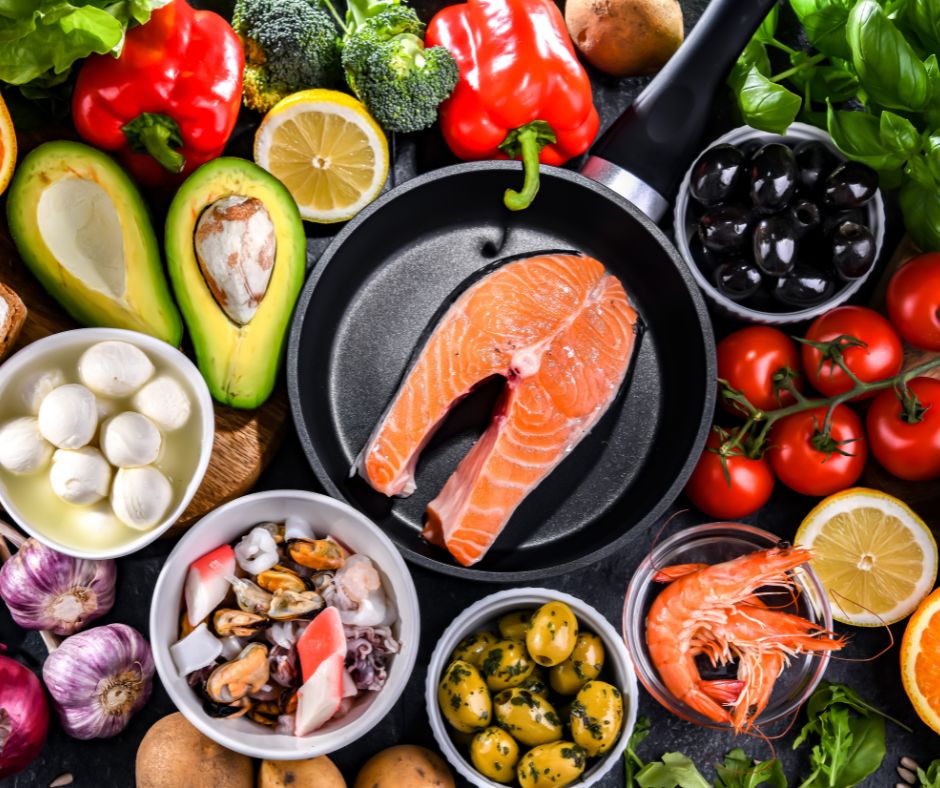
Nutrition for post-surgery scarring: Role, Foods and Tips
What you eat highly impacts scar tissue formation after surgery by providing essential nutrients for collagen formation and synthesis and help reduce inflammation. Key nutrients like protein, vitamins A, C, and E, along with zinc and omega-3, accelerate wound closure while minimising excessive fibrosis. On the other hand, malnutrition, such as high sugar intake and alcohol can worsen scarring through chronic inflammation. In this blog all you should know about nutrition for post-surgery scarring. Let´s have a closer look…
What is post-surgery scarring?
Post-surgery scarring is your body’s natural wound healing response, where fibroblasts produce collagen to close incisions. However, excessive or disorganised collagen production, leads to keloids, hypertrophic scars or even fibrosis. A targeted diet accelerates remodeling, reduces fibrosis, and enhances scar pliability, especially when paired with Manual Lymphatic Drainage (MLD).
Risk factors for scar tissue formation
Risk factors for scar tissue irregularities (keloids, hypertrophic scar tissue and fibrosis) are:
- Poor diet (processed, highly sugar, trans fats, fast food, etc.)
- Decreased lymphatic flow
- Prolonged inflammation
- Alcohol intake
- Smoking
What is the role of nutrition in post-surgery scarring?
Recent research showed that nutrition has a pivotal role in proper wound healing (scar tissue formation). In fact, proper preoperative nutritional support is correlated with reduced hospital stays and complications. Here some findings:
- Omega-3 fatty acids and specific amino acids were linked to enhanced wound-healing and immune function.
- Vitamins A, B, and C and Zinc positively influenced healing stages, vitamin E showed variable results.
- Polyphenolic compounds showed anti-inflammatory effects beneficial for recovery.
On the other hand, malnutrition increased postoperative complications and infections.
What should I eat before and after surgery?
Prioritize these daily to optimise healing:
High-protein
It provides amino acids for collagen building.
- lean meats, chicken, turkey, fish.
- eggs
- tofu
- black beans, lentils, quinoa
- low-fat cottage cheese
Omega-3
Omega-3 accelerates early epithelialization(skin cells migrate and multiply to cover the wound) and curbs proinflammatory cytokines (signals). It lowers risks of infection.
Fish. Incorporate them to your diet twice a week to shift fatty acid profiles favorably.
- salmon
- mackerel
- sardines
Seeds and nuts, offer plant-based omega-3, have anti-inflammatory benefits and improve lymphatic recovery.
- chia seeds
- flaxseeds
- wallnuts
Vitamin C
Vitamin-C helps to boost immune function, stabilize collagen fibers while reducing weak, widened scars. When consuming vitamin-c foods try to pair them with iron-rich products for best absorption.
- red bell peppers (highest source)
- kale
- guava
- oranges
- broccoli
- citric fruits
- strawberries
- etc.
Zinc
Zinc helps to enhance tissue regeneration and extracellular matrix formation. Some sources are:
- beef
- pumpkin seeds
- chickpeas
- oysters
- eggs
Vitamin A
Vitamin A supports wound healing by promoting epithelialization, collagen synthesis, and fibroblast proliferation, which help form organized scar tissue while countering excessive fibrosis. On the other hand, deficiency impairs re-epithelialization and increases infection risk. Some sources are:
- liver (beef or chicken have the highest retinol content for bioavailability)
- sweet potatoes
- carrots
- spinach
- eggs
Antioxidants
Antioxidants mitigate oxidative stress during wound healing, limiting excessive inflammation and fibrosis that contribute to hypertrophic or keloid scars. They protect collagen from degradation, promote balanced remodeling, and support epithelialization for flatter scars. You can find them in:
- berries
- green tea
- turmeric (with black pepper for best absorption)
- nuts
- green leaves
Bromelain
Bromelain enhances wound healing speed, helps remove necrotic debris, reduces inflammation, and decreases edema. It accelernutrition for post-op scarringates epithelialization, lowers pain, and promotes tissue remodeling, leading to faster recovery and potentially less scarring in surgical sites. Source:
- pineapple stem and fruit contain the highest concentrations
Nutrition for post-surgery scarring: Tips
- Divide meals into balanced plates: half veggies, quarter protein (amount of gr as advised by your nutritionist), quarter complex carbs.
- Avoid fried foods and alcohol, which impair angiogenesis and extend inflammation.
- Nutrition is just part of your treatment, combine diet with Manual Lymphatic Massage MLD and specialised equipment for a holistic treatment.
- Your diet plan requires a nutritionist´s design and follow up in order to fulfill your specific needs.
- Keep in mind your surgeons and post-op therapist advice.
- Stay hydrated to support collagen hydration and scar pliability.
- Stop smoking at least 1 month before surgery, it causes tissue necrosis.
- Avoid processed food, sugars, trans fats, and excess sodium, which delay healing and promote inflammation.
- Combine with Manual Lymphatic Drainage for lymphatic health as nutrient delivery enhances outcomes in post-surgical recovery, reduces inflammation, boosts immune function and blood flow.
- Be surrounded and treated for those who treat you better.
- For lymphoedema-prone patients, anti-inflammatory foods enhance lymphatic flow, reduce edema and decreases scar tension.
Disclaimer:Consult a dietitian for advice to fulfill your specific needs.
We hope this information is useful for you. Book your consultation now! If you need advice or have any questions about our treatments, please contact us. You can find us in Mil Hill Broadway and Islington. We are always happy to help. If you like this blog, please share!
References:
https://pmc.ncbi.nlm.nih.gov/articles/PMC11243481/
https://pubmed.ncbi.nlm.nih.gov/31389093/

