
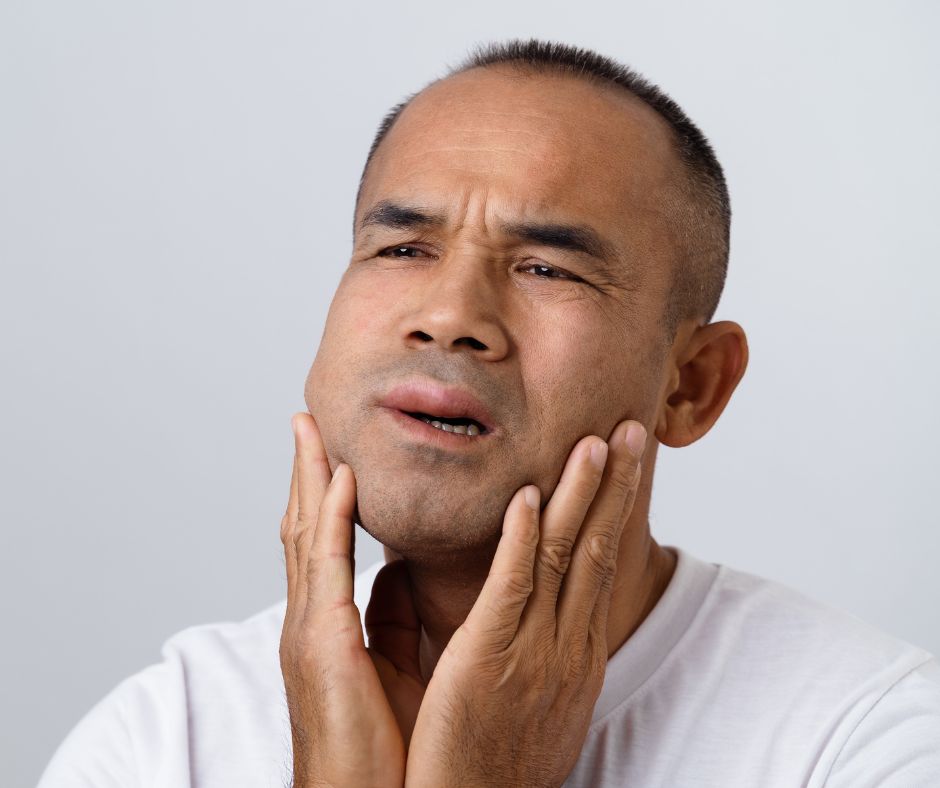
Neck and Head Lymphoedema: FAQs
Persistent swelling in head, face or neck? It might be lymphoedema. Head and neck lymphoedema is a common misdiagnosed side effect after cancer treatments (surgery/radiation) or severe trauma. This chronic condition affects up to 75-91% of head and neck cancer patients, but can be managed with evidence-based strategies. Understanding its symptoms, causes, treatments, and daily tips empowers you to improve quality of life. Let´s have a closer look at the most frequently asked questions!
What is Head and Neck lymphoedema?
Lymphoedema is accumulation of lymphatic fluid that also can produce later fibrosis (tissue thickening). It is due to removed, damaged or overwhelmed lymphatic vessels or nodes. Head lymphoedema can cause external swelling (visible puffiness),tightness, pain, and skin/tissue changes. In addition, neck lymphoedema might produce deep/internal swelling (that affects swallowing and voice).
Who is more prone to develop lymphoedema in head or neck?
Primary risk groups are:
- Higher incidence in men 70-77%.
- Males over 50.
- Patients who consume tobacco and alcohol.
- Patients average 58 years old, with over 50% aged 55-64 and 95% over 40.
- Treatments like surgery, radiation, and chemotherapy increase lymphoedema risk, especially with lymph node removal.
- Low physical activity increases lymphoedema.
It is estimated that between 80% and 91% of patients who undergo cancer treatment develop lymphoedema of the head and neck. For that reason, early awareness and assesment are essential to tailor treatments.
What are the most common symptoms and how they affect patients?
Most common symptoms are:
- Visible swelling or asymmetry of the neck/face (side where damage is located).
- Aching, pain, numbness in the head, neck, shoulders, or ears.
- Difficulty moving the head or neck, speaking, eating, or breathing.
- Skin changes like hardening, folds, or increased infection risk if untreated.
- Sensation of tightness, reduced neck flexibility, stiffness.
- Difficulty swallowing (dysphagia)
- Changes in speech or voice, increased mucus/throat clearing (due to inner inflammation).
- Vision changes.
- Low self esteem (due to body image).
- Psychological distress.
- Isolation
- Physical and psychological symptoms can substantially reduce quality of life and daily functioning.
How to assess (diagnosis) head and neck lymphoedema?
Assessment is clinical and may include:
- History and symptom questionnaires
- Patients report symptoms, progression, etc.
- Physical exam for external changes and palpation for fibrosis
- Measure and volumetry
- Imaging/physiology when needed
What are the available treatments for head and neck lymphoedema?
Most common and evidence-based treatments are:
Complete Decongestive Therapy (CDT)
CDT combines Manual Lymphatic Drainage (MLD), compression therapy (garments/bandaging), tailored exercise, diet, skin care and self-management training. Systematic reviews and the largest literatures for head and neck lymphoedema show CDT provides the most consistent benefit in reducing external swelling, improving symptoms and quality of life.
Manual Lymphatic Drainage Massage (MLD)
MLD is a gentle massage technique that stimulates lymphatic flow and immune function. Treatment includes intra-oral drainage (Lymph-Buccal Massage) to reduce swelling, improve symptoms and soften fibrotic tissues without increasing cancer recurrence risk. Manual therapies help you improve physical and psychological symptoms. Choosing a specialised therapist, who treats you better, trained in correct technique is pivotal. She will also teach you self-management techniques.
Compression and devices
Compression garments or bandages, worn for 4-6 weeks combined with MLD, optimise volume reduction, though custom fitting is often needed for facial contours.
Specialised pneumatic devices (e.g., head & neck pumps) are used to maintain reductions after decongestive phase.
Surgery (severe cases)
Microsurgical procedures (lymphaticovenous anastomosis/lymphovenous bypass) and debulking procedures (to reduce fibro-fatty tissue) can help carefully selected patients, particularly when conservative therapy fails or in fibrotic/chronic stages. The evidence indicates surgery may benefit some people but should be performed only by specialists.
Tailored exercises
To improve lymphatic and blood flow while reducing swelling and fat deposits that can worsen the condition.
Diet and proper hydration
An anti-inflammatory diet is pivotal to reduce symptoms and quiality of life.
Emerging and adjunctive approaches
Research continues into pharmacological and dermatological adjuncts, targeted fibrosis therapies, and structured rehabilitation programmes. Current evidence supports multidisciplinary, personalised care rather than one single “magic” treatment.
Lymphoedema in Head and Neck: Tips
- Learn simple self-MLD techniques from a certified therapist (the one who treats you better) and practice daily as instructed.
- Use appropriate compression garments, get advice from your lymphoedema therapist. Never apply tight collars or bandaging without professional guidance.
- Keep your skin clean and moisturised; treat infections promptly (cellulitis can worsen lymphoedema).
- Maintain a healthy weight and stay active with therapist-designed neck and shoulder mobility exercises.
- If you notice changes in swallowing, breathing or rapid swelling report it inmediately to your clinician, these may need urgent assessment.
- Keep skin moisturised, clean cuts promptly, and use electric razors to avoid injury.
- Exercise gently, stay hydrated, elevate head when sleeping, and avoid tight collars or extreme heat.
- Maintain healthy weight, reduce salt, and monitor for infections
- Seek help if notice fever or persistent focal swelling.
Lymphoedema in head and neck: What is the prognosis and follow-up?
- Lymphoedemain head or neck is often chronic and requires long-term self-management and follow-up.
- Many patients notice symptom control/ reduction and improved function with early diagnosis and consistent treatment
- Some patients might need a multidisciplinary aproach like lymphoedema therapist, speech and language therapy, oncologist, dietitians, clinician, psychologist, etc.). An holistic treatment gives the best outcomes.
- Perform daily self-lymphatic drainage (SLD) as taught by a therapist.
- Keep skin moisturized, clean cuts promptly, and use electric razors to avoid injury.
- Exercise gently, stay hydrated, elevate head when sleeping, and avoid tight collars or extreme heat.
- Maintain healthy weight, reduce salt, and monitor for infections—seek care for fever or focal swelling.
We hope this information is useful for you. Book your consultation now! If you need advice or have any questions about our treatments, please contact us. You can find us in Mil Hill Broadway and Islington. We are always happy to help. If you like this blog, please share!
References:
https://pubmed.ncbi.nlm.nih.gov/40285885/
https://pmc.ncbi.nlm.nih.gov/articles/PMC6919259/
https://pubmed.ncbi.nlm.nih.gov/40945311/
https://pmc.ncbi.nlm.nih.gov/articles/PMC10188415/

