
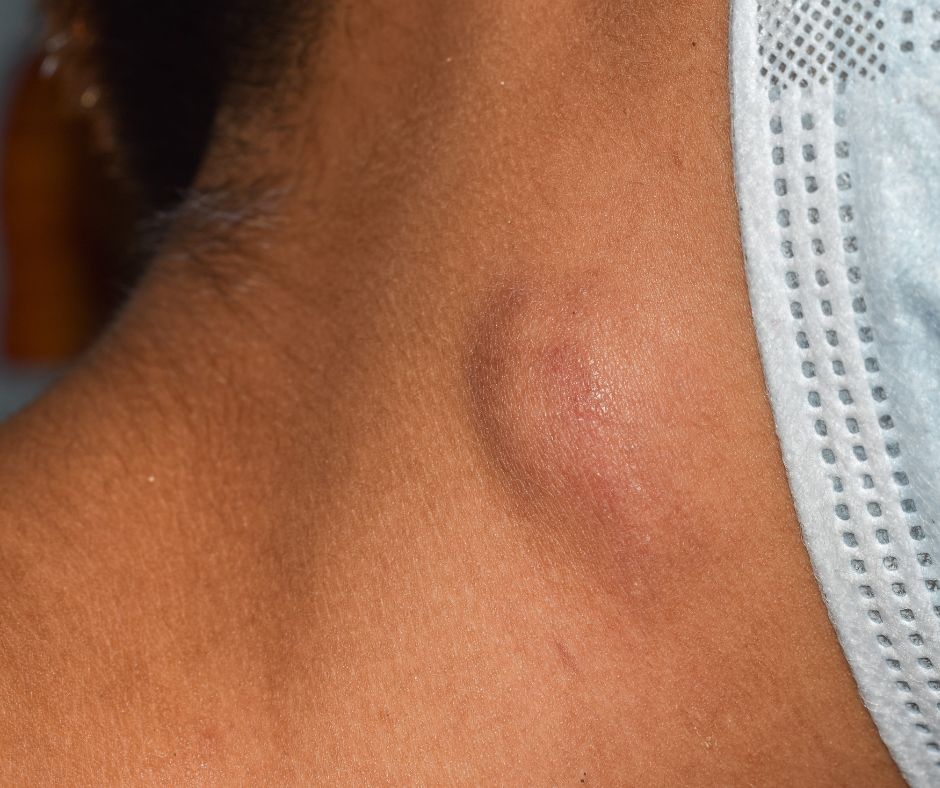
Soft lumps under the skin? Seromas after Lymphomectomy
Soft lumps under the skin? After lymph node removal seromas might appear; this wave-like sensation under the skin is a fluid pocket. But don´t worry, it´s completely treatable! In this blog, we tell you what a lymphectomy is; why seromas appear after this type of procedures; and how to prevent plus available treatments.
What is Lymphectomy (Lymph Node Dissection)?
Lymphectomy/Lymphadenectomy /lymph node dissection/ is a surgical procedure to remove one or more lymph nodes or groups of lymph nodes as a preventive treatment for cancer metastasis (spread) or treat malignancies in the area.
It is commonly performed for cancers like:
- breast
- melanoma
- gynecologic
- thyroid
- head
- neck
- testicular
- or tumors where lymph node metastasis is a risk
Types of lymphadenectomy
There are two types:
- Regional (some nodes)
- Radical (most or all in the area)
And samples, in both cases, will be examined microscopically for cancer cells.
Does lymphadenectomy (lymph node removal/dissection) have side effects?
- Greater number of nodes removed increases lymphoedema risk
- Vascular disease (damage to capillaries, blood vessels, etc.)
- Pain
- Numbness
- Wound infections (without proper wound care)
- Seroma
- Hematoma
- Stiffness or reduce mobility due to scars
- Fibrosis
- Nerve damage
Each case is different, you might have some or not have any of these side effects after surgery. Flow your surgeons and after surgery therapist advice and instructions for best outcomes and less side effects.
What is a Seroma?
- A seroma is a pocket of fluid that accumulates under the skin, at or near the surgical site, in this case after lymph node dissection (they can appear after other surgical procedures).
- Take into account, It is not pus (not an infection).
- It takes 7-10 days to several weeks after surgery or tubes removal for a seroma to appear, but each case is different.
- Sometimes the fluid isn’t completely clear, it is mixed with plasma (liquid part of blood) or waste from the healing tissues, which can make it look yellow, pink, or even slightly red.
- A seroma can feel like a soft or firm (not hard) lump under the skin.
- Small seromas often go away on their own as the body reabsorbs the fluid, but larger ones may need to be checked or drained to prevent infection or slow healing.
What are the signs (symptoms) of a Seroma?
Most common symptoms are:
- Visible, localised swelling (pocket of fluid) or bulge under the skin near a surgical incision.
- Soft, wave-like sensation when touching it.
- Clear or slightly fluid leaking from the incision line.
- The area might feel tender or sore.
- Often appears days/weeks after surgery or after surgical drains are removed.
What are the risk factors of a Seroma?
Most common risk factors are:
- Extensive surgery (the more nodes removed, the more prone you are to develop a seroma).
- History of seromas following surgical procedures.
- Underlying health conditions, like diabetes, obesity or hypertension (high blood pressure).
- Anticoagulants (talk to your surgeon before the procedure if you are intaking anticoagulants).
- Patients over age 40 years.
Why are these risk factors?
Because these factors may affect, delay your body’s natural wound-healing processes or increase inflammation.
How to prevent seromas after Lymph Node Dissection
Preventing seromas begins in the operating room and continues throughout your recovery:
- Surgical Drains: tubes in the incision to drain flluids in order to prevent fluid build up.
- Compression Garments: a properly fitted compression garment helps minimise space where fluid can accumulate and supports lymphatic return.
- Manual Lymphatic Drainage (MLD): early initiation of Manual Lymphatic Drainage, performed by a certified therapist who treats you better, can greatly assist in preventing seroma formation. MLD uses gentle, rhythmic movements to stimulate lymphatic and blood flow, reduce swelling, boost your immune function, reduce stress and anxiety, and support tissue and overall healing.
How to treat Seromas after Lymph Node Dissection
Small seromas often resolve spontaneously within a few weeks as the body reabsorbs the fluid. To aid natural healing:
- Continue MLD sessions as advised by your surgeon and post-op therapist.
- Maintain adequate hydration and nutrition, both support tissue repair, reduce inflammation and improve lymphatic and overall health.
- Use compression garments as prescribed.
In some cases, your healthcare provider may need to aspirate (drain) the seroma using a sterile needle. Persistent or encapsulated seromas may require minor surgical removal.
Seromas after Lymph Node Removal:When to Seek Medical Help?
Contact your surgeon immediately if:
- You develop a fever or feel unwell.
- The area becomes red, warm, painful, or tender.
- Fluid accumulation increases rather than decreases.
- The seroma does not improve after several weeks.
- You notice hardening or pressure around the surgical area.
If infection occurs, the seroma may evolve into an abscess, requiring medical drainage and antibiotics.
A final word
Seromas are a common but manageable side effect after Lymph node dissection. With proper surgical care, early Manual Lymphatic Drainage, and vigilant postoperative management, the risk and impact of seromas can be significantly reduced. Always consult your surgeon and a certified lymphatic drainage therapist to ensure your recovery is safe and effective.
We hope this information is useful for you. Book your consultation now! If you need advice or have any questions about our treatments, please contact us. You can find us in Mil Hill Broadway and Islington. We are always happy to help. If you like this blog, please share!
References:
https://www.ncbi.nlm.nih.gov/books/NBK564397/
Understanding Seromas After Surgery: Causes, Symptoms and Prevention

