
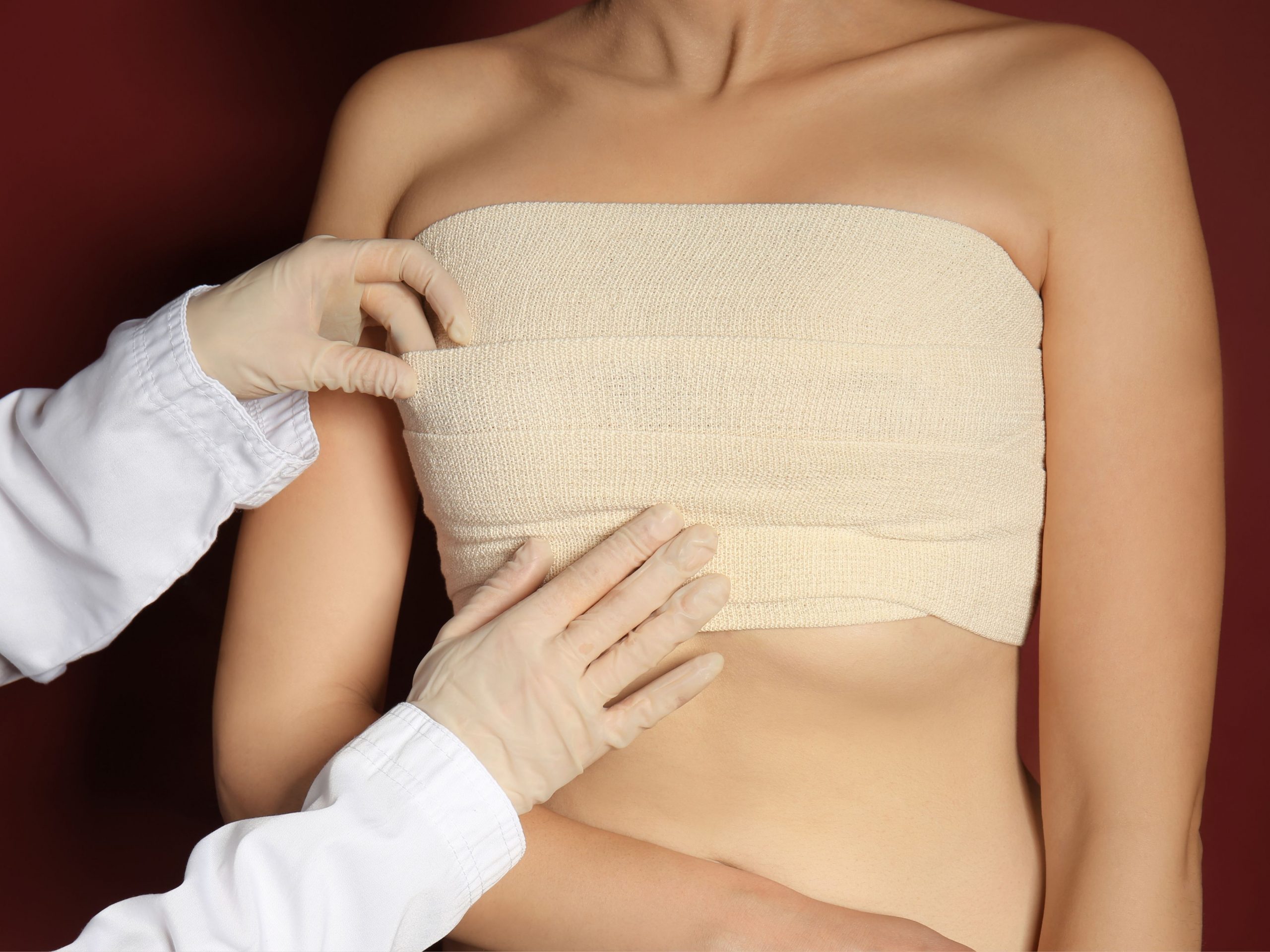
What to Expect Before and After Aesthetic Surgery
Every aesthetic surgery comes with a recovery period, often called the post-operative (post-op) phase. Your surgeon performs the procedure, but the recovery is a shared responsibility between you, your surgical team, and a qualified post-operative care specialist. Good preparation and proper aftercare can dramatically improve your results, reduce complications, and support long-lasting outcomes. This guide explains what to expect before and after aesthetic surgery, the science behind recovery, and why professional post-surgery treatments, especially Manual Lymphatic Drainage (MLD), are essential.
What to Expect Before Aesthetic Surgery
To achieve a smooth recovery and optimal results, your surgeon will prepare you with several essential pre-operative steps. These ensure your safety, reduce surgical risks, and support healthy healing.
Common Pre-Surgery Requirements
Your surgeon will typically ask you to:
- Complete medical tests to assess general health and detect any risk factors.
- Meet the anaesthesiologist to determine the safest anaesthesia for your procedure.
- Obtain clearance from your GP if you have conditions such as hypertension, diabetes, thyroid disorders, or other chronic illnesses.
- Stop smoking at least 3–4 weeks before surgery, as nicotine severely affects circulation and slows healing.
- Adopt a pre-surgery nutrition plan, usually focused on reducing inflammation, increasing protein intake, and stabilising blood sugar.
Emotional and Psychological Preparation
Aesthetic surgery changes your appearance, which can temporarily affect:
- Self-image
- Emotional stability
- Confidence
- Relationships
It is normal to experience mood fluctuations during recovery. Understanding this ahead and proper acompanament (therapist) helps you navigate the emotional side of healing with confidence.
Why You Need Post-Surgery Treatments
Post-operative treatments support your body through the natural phases of healing. After surgery, the body enters an inflammatory phase, which includes swelling, fluid retention, bruising, and sometimes discomfort.
A proper post-operative treatment plan helps you:
- Reduce inflammation
- Manage drains or cannulas safely
- Prevent complications (seromas, fibrosis, delayed healing)
- Speed up tissue repair
- Improve your final aesthetic outcome
A qualified post-op specialist ensures techniques are performed safely, with correct hygiene and without damaging healing tissues.
Benefits of Professional Post-Surgery Treatment
Evidence-based post-op care provides many benefits, including:
- Reduced inflammation and swelling
- Improved elimination of medications, anaesthetic fluids, and surgical byproducts
- Less water retention
- Reduced pain and bruising
- Faster tissue repair
- Decreased skin sensitivity
- Improved skin firmness and retraction
- Healthier overall skin condition
- Better regeneration of damaged capillaries and lymphatic vessels
- Enhanced scar healing
- Improved muscle and skin tone
- Better venous and lymphatic return
The Role of Manual Lymphatic Drainage (MLD)
MLD is one of the most important components of post-op care. It usually begins 24 hours to 7 days after surgery, depending on your surgeon’s instructions.
MLD helps:
- Activate and stimulate the lymphatic system
- Safely drain excess fluids and toxins
- Support scar tissue remodelling
- Prevent seromas and excessive fibrosis
- Reduce pain and stiffness
Research from 2023–2024 supports early MLD as an effective method for reducing post-operative swelling, improving comfort, and improving aesthetic results across procedures such as liposuction and abdominoplasty.
How Post-Operative Treatment Works: The Three Phases of Recovery
Healing occurs in predictable stages, but each patient’s pace is unique. Your treatment plan is customised according to your surgery type, body, selfcare and progress.
Phase 1: Inflammation & Fluid Retention (Days 1–14)
Your body responds to surgery by increasing blood flow to the area. This causes:
- Swelling
- Fluid accumulation
- Bruising
- Warmth or tenderness
At this stage, the goal is to decrease inflammation and drain excess fluid safely.
MLD in Phase 1
MLD uses gentle, directional movements to guide fluid toward nearby lymph nodes. It should never be painful.
Early MLD helps prevent:
- Seromas
- Excessive swelling
- Uncontrolled fibrosis
Fluid can appear not only at the surgical site but also in the hands, feet, or lower body due to gravitational shifts, MLD supports drainage everywhere.
Phase 2: Tissue Repair & Early Fibrosis (Weeks 2–6)
Your body begins producing fibroblasts, cells responsible for forming new connective tissue. This is normal healing.
However, if too many fibroblasts accumulate, tissues can feel:
- Hard
- Lumpy
- Tight
This is acute fibrosis, and treating it early prevents it from becoming chronic.
Focus of Treatment in Phase 2
- Reducing early fibrosis
- Helping the skin adhere smoothly to underlying tissues
- Maintaining good lymphatic flow
MLD is often combined with gentle techniques to soften tissue and prevent long-term irregularities.
Phase 3: Maturation, Body Contouring & Scar Remodelling (Weeks 6–12+)
Inflammation decreases and tissues become more stable. Treatments shift toward:
- Softening fibrosis
- Improving contour and shape
- Supporting scar healing
Techniques used in Phase 3 may include:
- MLD
- Ultrasound
- Radiofrequency
- Vacuum therapy (if appropriate)
- Scar tissue mobilisation
- Gentle massage
Not all machines are suitable for every body type. A professional will choose what is safe and effective based on your skin type, healing response, and surgical procedure.
Important:
MLD or machine-based treatments should never be painful. If you feel discomfort, your therapist should adjust the settings or technique immediately.
Additional Benefits of MLD + Devices
When used correctly, advanced devices can help:
- Reduce fibrosis
- Accelerate healing
- Minimise pain and swelling
- Improve metabolism in treated areas
- Reduce seroma risk
- Prevent capsular contracture (in implant surgeries)
- Improve scar appearance
- Smooth skin texture
Final Word: Recovery Is Personal
Healing is not linear, and every body responds differently. Your post-operative plan should be tailored session by session. Patience is essential.
Remember:
- Instagram and other social media “before and after” pictures don’t show the full healing journey.
- You are responsible for your aftercare and it requires budgeting for proper post-operative support.
- On average, patients need a minimum of 5 post-op sessions, but many require more depending on the procedure and their healing response.
- Good aftercare is not a luxury—it is a crucial part of your surgical success.
If you have questions or would like to book your post-surgery treatment, contact us today! We’re always glad to help. You can find us in Mill Hill Broadway and Islington. If you found this blog useful, please share it with others who may be starting their recovery journey.
References:
https://pubmed.ncbi.nlm.nih.gov/24987208/

