
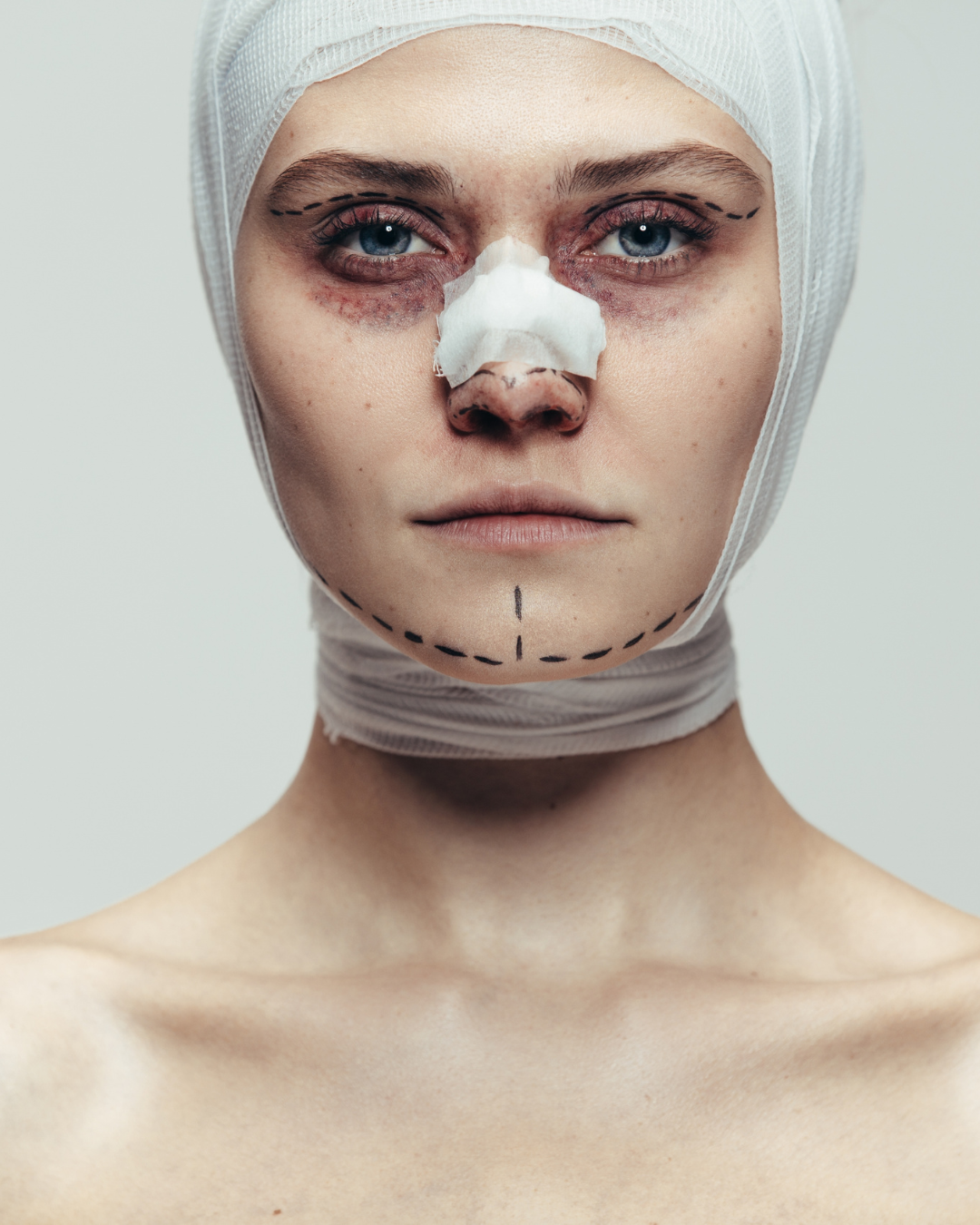
Why realistic expectations, emotional support and understanding your body’s healing process are just as important as choosing the right surgeon.
Key points
- Before-and-after photos show someone else’s result, not a promise of yours.
- Swelling, bruising and an unfamiliar shape are normal early on. Your final result can take months to appear.
- Feeling low, anxious or regretful during recovery is common, and support is available.
- Knowing what to expect before surgery helps you cope better afterwards.
- Some symptoms need urgent help. Know the warning signs listed below.
A tragedy that made me reflect
On 7 October 2026, Dr Alexander Aslani, a well-known plastic surgeon, was killed at his clinic in Marbella, Spain. My thoughts are with his family, colleagues and patients.
The investigation is ongoing, and this article is not about the circumstances of his death. Nothing here suggests that disappointment after surgery explains or excuses violence. Violence is never acceptable.
I never met Dr Aslani, but I have cared for a number of his patients after they returned to the UK, and I was impressed by the quality of the surgical work I saw. That experience taught me something important: even when surgery is performed with exceptional skill, the final result is not determined by the surgeon alone. Your body, your healing and the emotional experience of recovery matter too, and we rarely talk about them enough.
I also understand this not only as a therapist, but from my own experience of surgery and recovery. I know those thoughts from the inside, and I have felt how different one kind of pain can be from another.
The obsession with before-and-after photographs
Social media shows cosmetic surgery as a beautiful transformation: the before picture, then the after. A flatter stomach, a defined waist, a sculpted silhouette, a perfect nose or a smoother, younger-looking face.
What we rarely see is everything in between. The pain, swelling, bruising, sleepless nights and emotional ups and downs. And we rarely see how different the healing journey can be from one person to another.
Patients often ask me to show them before-and-after photographs. I understand why: they want reassurance that the money, discomfort and time will be worthwhile. But my answer is always the same:
I can show you someone else’s results, but I cannot promise that your body will heal or look exactly the same.
A photograph shows one person’s surgery, on one body, in that person’s circumstances. It can also be affected by lighting, posture, camera angles, editing and the stage of recovery. Two photographs may tell an impressive story, but rarely the whole story.
Your body is not somebody else’s body
Many people believe that the same surgeon and the same procedure should produce identical results. But every body is biologically unique, and many factors shape the outcome:
- Skin quality and elasticity: how well your skin contracts and adapts to the changes underneath.
- Anatomy and fat distribution: your bone structure, body shape and where you naturally store fat.
- Age, hormones and genetics: these affect skin, swelling, collagen and how you scar.
- Health and previous surgery: conditions such as diabetes or anaemia, and existing scar tissue, can slow or change healing.
- Lifestyle: nutrition, hydration, smoking and weight changes after surgery all play a part.
- Aftercare: following your surgeon’s advice, attending reviews and reporting problems early.
The surgical technique, the procedure and any complications matter enormously too. This is why two patients with the same surgeon can achieve visibly different results.
The surgeon performs the operation. Your body then has to heal from it. Both parts are essential to the outcome.
The part nobody prepares you for: sometimes you look worse before you look better
There is a moment I have witnessed many times. A patient looks in the mirror, sometimes just days after surgery, and becomes upset. Their face or body is swollen, their abdomen may look bigger, their waist or features uneven. There may be bruising, tightness, numbness or an unfamiliar shape.
Then comes the question: “What have I done to myself?”
They imagined their new body, but the reflection looks nothing like the photographs that inspired them.
After facial surgery, this can feel even harder. You can hide a swollen body under clothes, but you see your face in the mirror every day, and so does everyone around you.
What many patients don’t realise is that surgery is a controlled injury to the tissues. Even when it goes exactly as planned, the body responds with inflammation: fluid builds up, tissues swell, and bruising, firmness or irregularities can appear. This is usually the body healing, not a sign that something has gone wrong.
Depending on the procedure, swelling can take weeks or months to settle, and scars and deeper tissues keep changing for longer. Some patients develop areas of fibrosis or scar tightness that need assessment, but not every lump or firm area is fibrosis.
You cannot reliably judge a final result by looking at a body that is still healing.
That said, real complications do happen, and concerns should never be dismissed as impatience. If something worries you, get it checked (see the warning signs below).
Cosmetic surgery is a choice, but the body still experiences physical trauma
Whatever the reason for an operation, surgery is a physical trauma to the body’s tissues. The body responds the same way, and the pain is just as real.
What can differ is how it feels emotionally. When someone has surgery for an illness, the discomfort is linked to getting better. With cosmetic surgery, you may have gone into theatre feeling healthy, by your own choice. Suddenly you are in pain, exhausted, and in a body that feels unfamiliar.
The meaning we attach to pain can change how we experience it. Some patients start questioning their decision: “Why did I put myself through this? Was it worth it? What if I never look the way I imagined?”
I have felt this difference myself. When I recovered from surgery for a painful condition, I was almost grateful for the pain, because I knew it meant the end of years of suffering. After cosmetic surgery, the same kind of discomfort felt heavier, because there was no illness giving it meaning, and those night-time questions came even though I had my family around me supporting me.
This doesn’t mean cosmetic surgery patients are less resilient, or that their suffering matters less. It means they may need different emotional preparation, and that deserves more understanding.
Why mental health can be affected after cosmetic surgery
We talk a lot about compression garments, wounds and swelling. But how often do we prepare patients for what happens emotionally? Recovery can temporarily change your independence, routine, sleep, confidence and sense of identity.
1. Pain, poor sleep and the body’s stress response
Pain and disrupted sleep are exhausting, and they affect mood, patience and concentration. After surgery, the body’s inflammatory and stress responses, along with medication, can also change how you feel. There is no single explanation, but together these can leave you feeling emotionally fragile.
2. Loss of independence
Getting out of bed, showering or dressing can become difficult. Suddenly needing help can be frustrating, especially if you are used to managing on your own.
3. Uncertainty about the result
When you expect an immediate transformation, slow healing can bring anxiety and disappointment. Many patients constantly check their appearance or worry that their swelling is abnormal.
4. Social media comparison
Comparing your swollen, healing body with someone else’s fully healed, carefully photographed result is comparing two completely different stages of a journey.
5. The loneliness nobody talks about
With most surgery, people tell everyone, and friends and family call to ask how you are. With cosmetic surgery, many people tell no one, so they go through the pain, the fear and the low moments alone. That isolation makes everything harder.
I always tell my patients that this is normal, and that they are not alone. At the first visit, I add: if you are unsure whether what you are seeing or feeling is normal, message me before you search online. The internet shows you other people’s worst experiences, not answers about your own body. Whoever is caring for you, ask them first. And if you have any of the urgent warning signs below, get medical help straight away.
6. Expecting surgery to fix more than appearance
Some people hope surgery will repair their confidence, relationships or self-esteem. It can improve how you feel about your appearance, but it cannot guarantee happiness.
For some patients, these pressures can contribute to anxiety, low mood or depression. Many others are very happy with their surgery. Either way, emotional distress during recovery is real and deserves attention.
Mental health and physical healing are connected
Our minds and bodies do not recover separately. Research has shown that psychological stress, through hormones such as cortisol and changes in the immune system, may slow some healing processes. Stress can also affect recovery indirectly, by disrupting sleep, appetite and your ability to follow aftercare advice.
This does not mean that feeling anxious will cause poor healing, or that you are to blame for complications. But it does mean:
Emotional wellbeing is part of recovery, not an optional extra. A patient who is frightened or overwhelmed needs support just as much as someone with a physical complication.
The importance of post-operative support
Through my work with patients after cosmetic surgery, I have come to believe that recovery should never be treated as purely physical. Patients need information, reassurance, realistic timelines and someone who will listen without judgement.
A good post-operative therapist provides treatment within their professional scope, recognises concerns and helps patients understand the stages of recovery. Just as important is knowing when to reassure a patient and when something needs medical attention, and referring them back to their surgeon or another qualified professional.
Post-operative care is not about promising a perfect result or trying to correct every concern through massage or other treatments. It is about supporting recovery safely, respecting the surgeon’s instructions and helping patients feel informed rather than frightened.
I also believe psychological support should be easier to access before and after cosmetic surgery. Patients should feel able to talk about anxiety, regret, disappointment or depression without fear of being judged. Sometimes reassurance is enough; at other times, professional mental health support is needed. Both deserve the same respect.
What I wish every cosmetic surgery patient understood
If there is one message I want you to take from this article, it is this:
Choose your surgeon carefully, but prepare for your recovery just as carefully.
Understand what your procedure can realistically achieve. Do not choose a body from a photograph and assume it can be recreated exactly on yours. Give your body time, but never ignore symptoms that worry you.
Prepare yourself emotionally, too. Who will support you when you are uncomfortable, tired or frightened? How will you cope if your results take longer to appear than you expected?
Remember that your worth is not determined by the outcome of an operation. And if you are struggling with anxiety or low mood during recovery, there is no shame in asking for help.
Practical steps for a healthier recovery
You cannot control everything about how your body heals, but you can give yourself the best chance of a smoother recovery, physically and emotionally.
I see many patients before their surgery, and we talk openly about everything that could happen and how they might feel. Time and again, I notice these patients cope better with recovery. Often they tell me afterwards: “It wasn’t as bad as I expected.” Knowing what to expect makes a real difference.
Before surgery
- Ask your surgeon realistic questions: What result can I expect with my body type? How long will swelling last? What are the most common complications? Who do I contact if I am worried, including at night and after I return home?
- Ask to see a range of results, not just the best ones, including patients with a similar body shape to yours.
- Be honest about your reasons. Surgery can change your appearance, but it will not fix a relationship, low self-esteem or a difficult time in your life.
- Plan your support: arrange someone to help you at home for the first days, especially with getting up, washing and meals.
- Prepare your home: pillows for comfortable positions, easy-to-wear clothes, and everything you need within easy reach.
- If you are travelling abroad, make sure you know who will provide your aftercare in the UK before you go.
- Stop smoking and nicotine for as long as your surgeon advises, before and after surgery.
During recovery
Two things I always ask my patients: please don’t weigh yourself in the early weeks, and try not to keep checking yourself in the mirror. Swelling and fluid can make the scales go up and your shape look different, even when everything is healing well.
- Follow your surgeon’s instructions on garments, activity, wound care and medication, and attend every review.
- Avoid judging your result too early. Take photos only occasionally, in the same light and position, so you can see real progress over weeks rather than daily changes.
- Limit social media comparison, especially in the first weeks. Other people’s results are not a measure of your healing.
- Rest, eat well and stay hydrated. Sleep and nutrition support both healing and mood.
- Move gently as advised. Short walks can help circulation and lift your mood, but avoid strenuous activity until you are cleared.
- Talk about how you feel. Tell the people around you, and your care team, if you feel low, anxious or regretful. These feelings are common and you deserve support.
- Expect ups and downs. A bad day does not mean a bad result.
When to seek medical help urgently
Most swelling, bruising and firmness is a normal part of healing. Some symptoms, however, should never be waited out.
Call 999 or go to A&E immediately if you have:
- shortness of breath, chest pain or coughing up blood
- sudden confusion, severe dizziness or fainting
Contact your surgical team, or call NHS 111, the same day if you have:
- a high temperature, chills or feeling generally unwell
- redness, heat or pain that is spreading or getting worse
- discharge, a bad smell or opening of a wound
- pain, swelling or warmth in one calf or leg
- sudden, severe or one-sided swelling
- pain that is getting worse rather than better
If you are not sure, it is always better to ask. No good surgeon or therapist will mind being contacted about a genuine concern.
Where to find emotional support
If you are struggling emotionally after surgery, you do not have to cope alone.
- Your surgical team: tell them how you are feeling, not only how your body is healing.
- Your GP: they can assess your mood and refer you for support if needed.
- NHS Talking Therapies: in England, you can refer yourself for free talking therapy for anxiety and depression.
- Samaritans: call 116 123, free, at any time of day or night, if you need to talk to someone.
- Body Dysmorphic Disorder Foundation: support if you are preoccupied with a perceived flaw that others barely notice. This can be a sign of body dysmorphic disorder (BDD), which surgery rarely helps. Please speak to your GP before considering further procedures.
Asking for emotional support is not a sign of weakness. It is part of looking after your recovery.
Final thoughts: healing is more than what we see in the mirror
The death of Dr Aslani prompted me to reflect on the relationship between surgeons, patients, expectations and recovery. Even the most technically successful surgery cannot promise the same result for every patient.
Surgeons have an enormous responsibility to work safely, explain the limits of surgery honestly and provide proper follow-up care. Patients, in turn, deserve realistic information, compassionate support and a clear understanding of the healing process before they decide to have an operation.
Cosmetic surgery is not simply a journey from a before photograph to an after photograph. Between those two images is a real person going through physical changes, uncertainty, vulnerability and sometimes considerable emotional distress. We need to talk more openly about that part of the journey.
Because a successful recovery should not only be measured by how a body looks, but by how safely and compassionately the person behind that body has been supported.
Your body needs time to heal. Your mind deserves care throughout that journey. And as the words on the wall of my therapy room remind every patient: good things take time.
About the author
Yaneth Perea is a London-based specialist Post-Surgery and Lymphoedema Therapist with over 30 years of clinical experience. She specialises in recovery after cosmetic, lipoedema, orthopaedic and cancer surgery, as well as lymphoedema management. She personally assesses and treats every patient.
Yaneth originally trained and worked as a respiratory physiotherapist in hospital and intensive care in Colombia. Her own experience of post-surgical swelling inspired her to specialise in lymphatic and post-operative care. She is registered with MLD UK and the British Lymphology Society (BLS).
Read more about Yaneth or book a consultation.
References
- NHS. Is a cosmetic procedure right for me?
- NHS. Liposuction
- Royal Free London NHS Foundation Trust. Psychological services for plastic surgery patients
- Torbay and South Devon NHS Foundation Trust. Stop before your op: smoking and surgery
- Action on Smoking and Health (ASH), endorsed by the Royal Colleges of Surgeons and the Royal College of Anaesthetists. Smoking and surgery, 2023.
- Honigman RJ, Phillips KA, Castle DJ. A review of psychosocial outcomes for patients seeking cosmetic surgery. Plastic and Reconstructive Surgery, 2004.
- Walburn J, Vedhara K, Hankins M, Rixon L, Weinman J. Psychological stress and wound healing in humans: a systematic review and meta-analysis. Journal of Psychosomatic Research, 2009.
- Kiecolt-Glaser JK, Marucha PT, Malarkey WB, Mercado AM, Glaser R. Slowing of wound healing by psychological stress. The Lancet, 1995.
- Gouin JP, Kiecolt-Glaser JK. The impact of psychological stress on wound healing: methods and mechanisms. Immunology and Allergy Clinics of North America, 2011.
- News reports on the death of Dr Alexander Aslani: Mallorca Magazin, Artículo 14
Disclaimer
This article is for general information only and does not replace advice from your own surgeon or healthcare provider. If you have concerns about your recovery, please contact your surgical team. The patients mentioned are described in general terms only, and no identifying details have been shared.

