
Deep oscillation:FAQs
What is deep oscillation?
Deep Oscillation is a patented therapeutic device used to reduce pain, edema, and swelling, promote mobility, and accelerate wound healing and scar formation after surgery or trauma.
How does it work?
The device works by applying gentle, biologically effective oscillations or vibrations to tissues, penetrating deeply (up to 8 cm) into the skin, muscle, blood, and lymph vessels using electrostatic attraction and friction. The treatment feels like a gentle vibrating massage and can boost circulation and lymphatic flow, aiding recovery and reducing fibrosis or hardened scar tissue. It is often used in medical conditions, early in recovery to prevent unwanted side effects (like fibrosis) and for various post-operative complications such as prolonged swelling, etc.
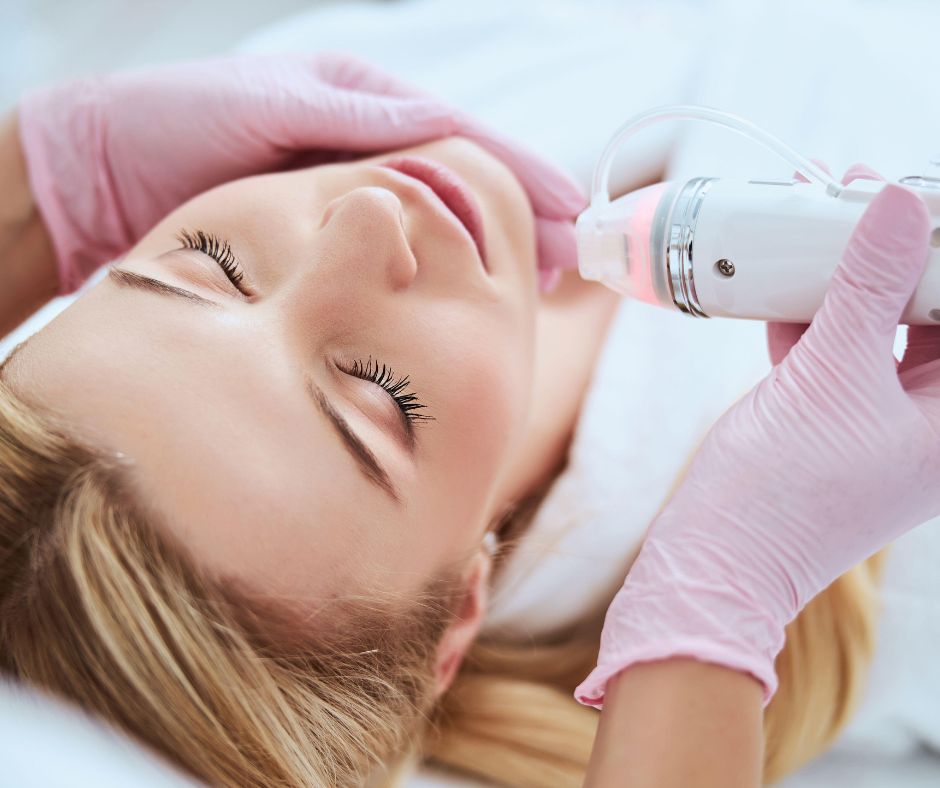
In other words, Deep Oscillation uses low-frequency, gentle electrostatic vibrations (electromagnetic radiations) to penetrate deep into the body’s tissues. It generates a pulsating electrostatic field between the therapist’s hands or an applicator and the patient’s skin, causing tissues such as skin, connective tissue, muscles, blood vessels, and lymph vessels to vibrate at a biological depth of up to 8 cm. This deep vibration promotes lymphatic drainage, improves microcirculation, reduces inflammation and swelling, enhances tissue regeneration, and accelerates wound and scar healing.
Why is deep oscillation different from ultrasound or massage?
The therapy is different from other treatments like ultrasound or massage because it relies on electrostatic attraction and friction rather than mechanical pressure or sound waves. Patients usually experience a gentle, vibrating sensation that stimulates cellular activity and supports the body’s natural healing mechanisms.
What conditions can be treated with deep oscillation? and Which respond best to the therapy?
Deep Oscillation therapy is particularly effective for a range of medical conditions that involve pain, inflammation, swelling, and impaired tissue healing. The conditions that respond best include:
- Post-surgical recovery: It helps reduce pain, edema, and scar formation, accelerating wound healing and improving mobility after surgeries such as orthopedic, reconstructive, or cosmetic procedures.
- Lymphatic disorders: It supports lymphatic drainage, making it beneficial for managing inflammation and associated symptoms.
- Musculoskeletal pain: Conditions like back pain, joint pain, fibromyalgia, and myofascial pain respond well due to its anti-inflammatory and pain-relieving effects.
- Sports injuries: Deep Oscillation aids in the recovery of muscle strains, ligament sprains, and tendon injuries by promoting circulation and tissue regeneration.
- Chronic inflammatory conditions: Rheumatoid arthritis and similar diseases benefit from reduced inflammation and improved tissue repair.
- Dermatological conditions: enhances healing of wounds, improves skin elasticity, and can help with fibrotic tissue and scar remodeling.
- Edema and hematomas: decreases fluid accumulation and promotes resorption of bruising.
- Lipoedema and Lymphoedema: reduces pain and inflammation, boosting lymphatic flow.
Does it have contraindications or risk factors?
The therapy is generally safe and well-tolerated when performed by a trained professional, with mostly mild and short-lasting side effects reported. Serious adverse events were not observed in studies, but proper screening and contraindication checks are essential for safety.
Deep oscillation therapy has specific risk factors and contraindications, including:
- Acute infections and inflammations involving pathogens.
- Active tuberculosis.
- Acute venous diseases such as untreated thrombosis.
- Untreated malignant processes or active cancer.
- Erysipelas and cellulitis (skin infections).
- Patients with cardiac pacemakers or other electronic implants.
- Untreated heart disorders, especially cardiac insufficiency, edema, and arrhythmia.
- Pregnancy (generally avoided, especially over the abdomen).
- Hypersensitivity to electrostatic fields.
- Infectious skin diseases.
- Severe circulatory disorders and peripheral vascular diseases.
- Vertebrobasilar insufficiency.
- Allergic reactions to applied materials (rare).
- Temporary worsening of symptoms such as pain or inflammation may occur as a mild side effect.
How long does a deep oscillation session last?
It can last from 15 to 30m up to 60m when combined with other treatments or according to the treated area/s and patient’s needs.
In short
This therapy offers a versatile, gentle, and effective option for improving recovery, reducing pain, and enhancing overall tissue health in various clinical and wellness settings. It is gaining popularity as an adjunct treatment in rehabilitation and pain management. Some uses for this therapy are:
- Post-surgical recovery to reduce pain, edema, and scar tissue formation
- Pain management in conditions such as back pain, joint pain, and fibromyalgia
- Orthopedic rehabilitation after surgeries or injuries to accelerate healing
- Sports medicine for sports injuries and enhancing athletic performance
- Lymphatic disorders by facilitating lymphatic drainage and reducing swelling
- Dermatological uses including wound healing and improving skin elasticity
- Cosmetic applications like reducing the appearance of cellulite
If you have questions or would like to book your post-surgery session, contact us today! We’re always glad to help. You can find us in Mill Hill Broadway and Islington. If you found this article useful, please share it with others who may be starting their recovery journey.
References:
https://pubmed.ncbi.nlm.nih.gov/21968626/
https://pmc.ncbi.nlm.nih.gov/articles/PMC3814103/
https://physiomed.de/en/produkt/deep-oscillation-personal-home/

