
Recovery After Liposuction for Lipoedema: Common Questions Answered
Liposuction for lipoedema can be a life-changing procedure for many patients, helping to reduce pain, heaviness, discomfort, and improve mobility and quality of life. Many patients also report improvements in the appearance and shape of their body, helping them feel more comfortable and confident in themselves after years of struggling with the physical and emotional impact of lipoedema. lipoedema liposuction recovery
However, recovery after lipoedema surgery is often very different from cosmetic liposuction recovery, and many patients have questions about what is normal during the healing process.
Every patient heals differently, and recovery can involve both physical and emotional ups and downs. Understanding what to expect can help patients feel more reassured, prepared, and supported throughout their recovery journey.
How painful is recovery after lipoedema liposuction?
Unlike traditional liposuction procedures, many patients with lipoedema report that post-operative pain is often more manageable than expected. This is partly because patients frequently experience a sense of relief after surgery, as the constant heaviness, pain, and discomfort associated with lipoedema is reduced.
However, discomfort, tightness, and soreness are still normal in the early stages of recovery and vary from person to person.
How long does swelling last?
Swelling after lipoedema liposuction is expected and can last several months.
Typically:
- First 2 weeks: swelling is at its highest
- Weeks 2–6: gradual reduction, often around 50% improvement
- Around 8 weeks: continued reduction, though swelling is still present
- Up to 6 months: residual inflammation gradually settles
Around 20% of swelling can take longer to resolve, depending on the individual.
Every body heals differently, and recovery can vary based on factors such as the extent of surgery, lifestyle, and lymphatic health.
Is it normal to still feel swollen after several weeks or months?
Yes, this is completely normal.
After lipoedema surgery, swelling can persist for weeks or even months while the tissues and lymphatic system recover, and it may also fluctuate during healing.
Why do my legs feel hard or lumpy after surgery?
This sensation is commonly related to fibrosis, which is part of the healing process.
After surgery, the body produces fibrous tissue as part of natural repair. This can sometimes feel like firmness, uneven areas, or small lumps under the skin.
While this is a normal stage of healing, post-operative care and wearing compression garments as prescribed are important to support the body and help guide the tissue through recovery.
What is fibrosis and is it normal?
Fibrosis refers to the formation of connective tissue during healing.
It is a normal part of the body’s repair process after surgery. However, in some cases, the body can produce excess fibrous tissue, which may cause hardness or irregular texture.
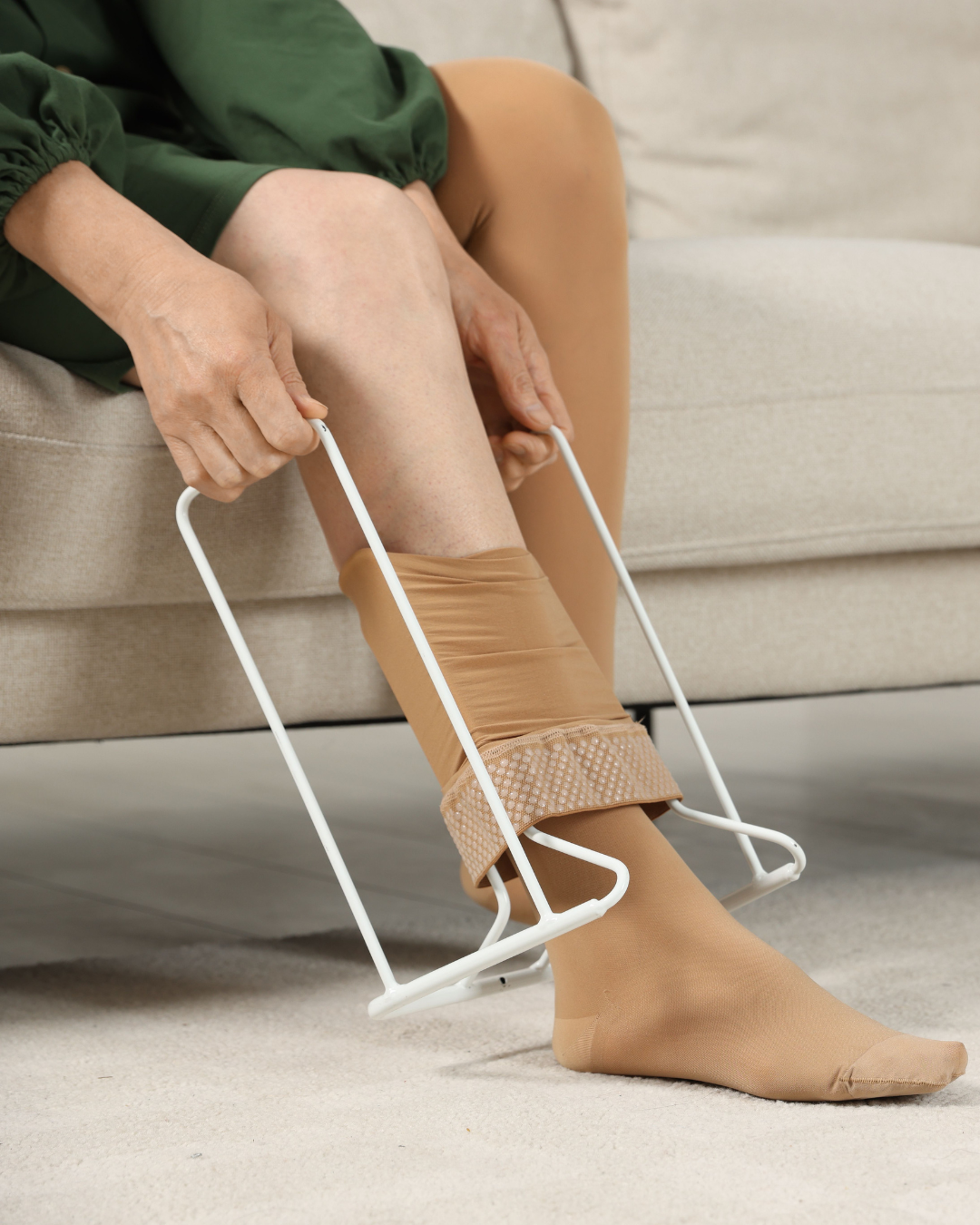
This is why post-operative care, including lymphatic support, appropriate treatment, and correctly fitted compression garments, is important to help support optimal healing. Wearing compression exactly as prescribed by your surgeon is essential during recovery, as it helps support the tissues while healing and helps reduce excess swelling and fibrosis formation.
Is numbness or tingling normal after surgery?
Yes, temporary numbness or tingling is common.
During surgery, small nerve endings in the skin are temporarily affected. As healing progresses, these nerves gradually recover.
If numbness or altered sensation continues for several months without improvement, it is important to consult your surgeon for assessment.
Why do I feel so tired after surgery?
Fatigue after lipoedema liposuction is very common.
The body uses significant energy to heal, repair tissue, and manage inflammation. Rest is essential during this time, as it allows the body to focus its energy on recovery.
How long do I need to wear compression garments?
This depends on your surgeon’s recommendation, but typically compression garments are worn for around 8 weeks after surgery.
In some cases, surgeons may also recommend:
- wearing compression before surgery to help decongest tissues
- continuing compression for longer depending on swelling and healing progress
Properly fitted compression is an important part of post-operative recovery.
Can swelling come and go during recovery?
Yes, this is very normal.
Swelling often fluctuates depending on several factors, including:
- activity levels
- diet
- hydration
- salt intake
- alcohol consumption
- overexertion or too little movement
- stress levels
Some days may feel better than others, and this does not necessarily indicate a problem.
When can I walk normally again?
Most patients are able to walk within a few days after surgery.
Gentle movement is encouraged early on to support circulation and lymphatic flow. However, patients should always follow their surgeon’s guidance and listen to their body during recovery.
When can I exercise again?
Light walking is usually encouraged from the beginning stages of recovery.
Other forms of exercise depend on individual healing and surgeon recommendations. Swimming may be introduced once all incisions are fully closed and healed.
Strenuous exercise should be reintroduced gradually and under medical guidance.
Why do some days feel better than others during recovery?
Recovery is not linear.
It is very common for patients to experience good and bad days during healing. This can be influenced by:
- inflammation levels
- physical activity
- fluid retention
- fatigue
- stress
- hormonal changes
Fluctuations are a normal part of the recovery process.
Is emotional recovery normal after lipoedema surgery?
Yes.
Many patients experience emotional changes after surgery. The body is not only healing physically but also adjusting after a significant medical and emotional journey.
It is normal to feel a mix of relief, impatience, vulnerability, and hope during recovery.
Can Manual Lymphatic Drainage help after surgery?
Yes. Manual Lymphatic Drainage is often an essential part of post-operative care for lipoedema patients.
It supports the lymphatic system, which is already compromised in lipoedema, and may help with:
- swelling
- discomfort
- fluid movement
- tissue softness
- overall recovery support
Specialist surgeons treating lipoedema commonly recommend a minimum of 10 post-operative Manual Lymphatic Drainage sessions as part of the recovery process. Patients are often advised to organise and book their post-operative care before surgery, as lymphatic support is considered an important part of recovery after lipoedema liposuction.
It is also important to ensure that your therapist is properly trained and certified in post-operative Manual Lymphatic Drainage and familiar with lipoedema and its specific recovery needs.
When should I seek professional advice after surgery?
You should contact your surgeon or medical professional if you experience:
- signs of infection (redness, heat, fever)
- unexpected or severe pain
- unusual swelling in one area
- suspected seroma (fluid build-up)
- concerns about wound healing
How long does it take to see final results?
Improvements are often visible immediately after surgery due to removal of fatty tissue deposits.
However, final results typically take around 6 months or longer to fully develop, as swelling continues to settle and tissues refine over time.
What helps recovery the most after lipoedema surgery?
Recovery is supported by a combination of factors, including:
- regular gentle movement
- a healthy, balanced diet
- low salt intake
- good hydration
- post-operative lymphatic support
- following surgical guidance
- Adequate compression
What do patients often worry about unnecessarily?
Many patients worry about:
- slow progress
- comparing recovery with others
- persistent swelling
- day-to-day fluctuations
It is important to remember that every recovery journey is different, and healing timelines vary significantly between individuals.
What do you wish more patients knew before surgery?
Recovery is a gradual process with both physical and emotional ups and downs.
It takes time before final results are visible, and planning post-operative care is just as important as the surgery itself.
Supportive recovery care often includes multiple lymphatic drainage sessions, and some patients may require extra compression garments or adjustments depending on healing.
What does a “normal” recovery look like?
A typical recovery may include:
- moderate discomfort or tightness
- swelling and bruising
- areas of hardness in the tissues
- gradual improvement over time
- fluctuations in symptoms
Each recovery journey is individual, and progress often happens in stages rather than a straight line.
Final Thoughts
Recovery after lipoedema liposuction requires patience, support, and realistic expectations. While the healing process can feel slow at times, understanding what is normal during recovery can help patients feel more confident and reassured throughout the journey.
Every patient’s experience is unique, and having the right post-operative support can make recovery feel more manageable and comfortable.

