
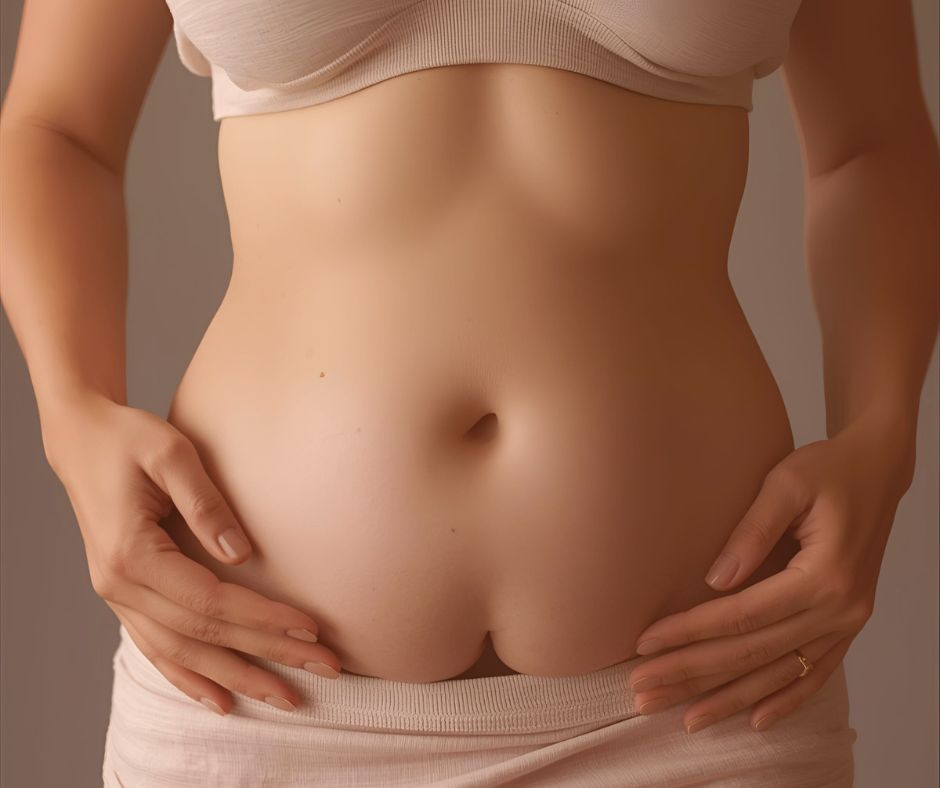
6 Causes of Post-Lipo Fibrosis and How to Treat It
Post-lipo fibrosis (liposuction) is a common part of the healing process after cosmetic surgery. While it can’t be completely prevented, the good news is that it can be guided and managed to help the tissue heal smoothly and evenly. Understanding what causes it, and how to care for your body during recovery, can make a big difference in your final results.
What Is Post-Liposuction Fibrosis?
Post-lipo fibrosis is the formation of excess or uneven collagen tissue during the healing process after liposuction.
After any surgery or tissue injury, your body repairs itself by producing collagen fibers that reconnect and close the wound (a normal part of healing).
Before surgery, these fibers are perfectly aligned, forming smooth, flexible tissue. Surgery disrupts that alignment, and during recovery, the body focuses on repairing quickly rather than precisely. As a result, new fibers grow in different directions, creating thicker or uneven tissue known as post-lipo fibrosis.
Fibrosis can cause:
- Hardness or tightness in the treated area
- Lumps or nodules under the skin
- Tenderness or mild pain that persists
- Uneven texture or swelling
- Restriction of pulling sensation in the area of the lipo
While fibrosis isn’t always a complication, the quality of healing makes the difference. With the right post-operative care, you can guide this process so the scar tissue heals as smoothly and naturally as possible.
What Causes Post-Lipo Fibrosis?
While fibrosis is a natural part of the healing process, certain factors can make it more pronounced or uneven after liposuction. These influences affect how your tissue repairs itself and can increase the risk of excessive fibrous buildup. Here are the six most common causes:
1. Fat Necrosis
When small pockets of fat lose their blood supply, they can break down (a process known as fat necrosis). The body reacts by forming fibrous tissue around the damaged fat cells, which may feel like firm or lumpy areas under the skin.
2. Collagen Buildup
Liposuction disrupts some of the collagen fibers that support your skin. As your body regenerates them, excess collagen can sometimes accumulate, creating areas of tightness or irregular texture.
3. Smoking
Nicotine and tobacco reduce blood flow and oxygen delivery to healing tissues. This slows recovery and increases the chance of excessive fibrosis. Surgeons recommend quitting smoking at least four weeks before and after surgery for best results.
4. Poor Nutrition
Healing requires nutrients such as protein, vitamin A, and vitamin C. A diet lacking these essentials can delay tissue repair and affect how the scar tissue forms.
5. Poor Circulation or Venous Insufficiency
When blood flow is restricted, the tissues receive less oxygen and fewer nutrients. This can lead to delayed healing, cell damage, and an uneven fibrotic response.
6. Skin Type and Quality
Everyone heals differently. Some people naturally produce more collagen or form thicker scar tissue, depending on factors such as skin elasticity, age, and genetics.
How to Know If You Have Post-Lipo Fibrosis
Some firmness and swelling are normal after liposuction, but certain signs may suggest the tissue is healing with more fibrosis than usual. Look out for:
- Pain or tightness that lasts longer than a few weeks or returns after improving
- Hard or lumpy areas that persist beyond one month
- Uneven skin texture or dimpling, where the skin may look slightly pulled or irregular
- Persistent redness or pigmentation changes in the treated area
If you notice these symptoms, don’t worry, they can usually be improved with professional post-operative care.
How to Manage and Improve Post-Lipo Fibrosis
While you can’t completely stop fibrosis from forming, you can guide the healing process to ensure your scar tissue settles evenly and smoothly.
Start Manual Lymphatic Drainage (MLD) Early
Manual lymphatic drainage (MLD) is one of the most effective treatments after liposuction. Starting sessions soon after surgery helps reduce swelling, prevent fluid buildup (seromas), and improve circulation. This gentle massage technique helps the body eliminate waste and guides collagen fibers to form in a more uniform way.
Keep Moving From Day One
Gentle daily movement is essential after surgery to support circulation, prevent stiffness, and promote healing. Light walking or simple mobility helps your lymphatic system function effectively and reduces the risk of complications.
Introduce Stretching When Advised
As soon as your surgeon or post-surgery specialist recommends it, start gentle stretching to restore flexibility and prevent tightness. These movements help the healing tissues stay supple and reduce the risk of fibrotic restriction.
Follow Your Surgeon’s Instructions
Consistently wearing your compression garment and padding, staying hydrated, and avoiding excessive pressure on the treated area all help promote smoother healing and reduce uneven scar formation.
Eat a Balanced, Nutrient-Rich Diet
Nutrients are essential for optimal collagen formation. Focus on foods rich in lean protein, vitamins A and C, and antioxidants to support tissue repair and skin regeneration.
Can Medication Prevent Fibrosis?
There are no specific medications that can prevent fibrosis after liposuction because fibrosis is a natural part of healing. However, certain nutrients can support the process and help your body create healthier, more flexible tissue.
Vitamin A
- Supports tissue repair and cell regeneration
- Regulates collagen production
- Improves skin texture and quality
Vitamin C
- Promotes collagen synthesis
- Strengthens skin, tendons, and blood vessels
- Aids in wound healing and reduces inflammation
A Note on Iron
In my professional experience, patients with low iron levels often take longer to heal and may be more prone to inflammation or fibrosis. While current medical research on this link is limited, maintaining healthy iron levels supports overall recovery and wellbeing.
Post-Lipo Fibrosis: Final Thoughts
Fibrosis is a normal and essential part of the healing process. What matters most is how well it’s guided and managed during recovery. With the right post surgery aftercare manual lymphatic drainage, compression and garments, ultrasound or deep isolation, proper nutrition, and consistent follow-up, you can help your body heal in a smoother, more balanced way.
At Perea, every post-liposuction treatment plan is tailored to your unique needs, helping you recover comfortably and achieve the best possible results. If you’d like advice or want to book a consultation, contact or visit us in Mill Hill Broadway or Islington. We are always glad to help. If you like it, please share!
References:
Hard lumps after Liposuction? How to reduce Fibrosis after surgery.

