
Scar Tissue post-op: Characteristics, Stages and Management
What is Scar Tissue post-op?
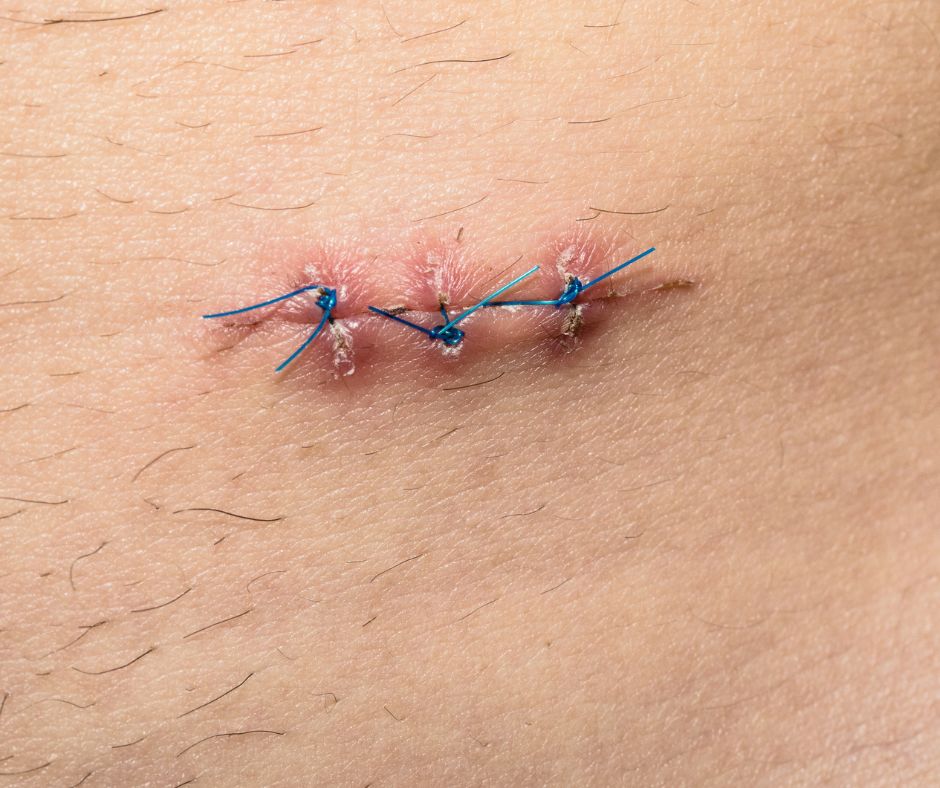
Post surgery scar tissue is your body’s natural response to surgical incisions, replacing damaged skin, fibres or internal tissues with fibrous connective tissue (most of them made of collagen). This process closes wounds quickly. On the other hand, this new tissue will be thicker, less elastic, and more rigid than the original one.
What are the characteristics of scar tissue after surgery?
Unlike original skin, scar tissue might present:
- Lack of flexibility, which can lead to tightness.
- Thicker tissue.
- Can restrict movement.
- Cause pain due to rigidity.
- Scar tissue varies in size and depth.
- Over production of collagen produces more scar tissue (fibrosis).
How does post-op scar tissue form?
After any type of surgery, the scar forms in the areas where surgeons performed incisions, in order to close these cuts and repair the damage. The process starts with cell generation and fibroblasts producing collagen to repair the wound, creating a different matrix (type of tissue) that unites and strengthens the area.
Scar tissue can form superficially as well as deep under the surface of the cut. It depends on how deeper and further incisions are located.
Whicht are the stages of scar tissue formation?
Hemostasis and Clottin
They start right after surgery as blood vessels constrict and platelets form clots, preventing excessive bleeding and creating a provisional matrix (connective tissue). Then, your body continues healing, maintaining homeostasis (equilibrium) by stabilising the wound´s environment.
Inflammatory Phase (Homeostasis Maintenance)
You will notice the area inflamed (it’s your immune system’s natural response). Your immune cells clear debris, bacteria, and dead tissue while upholding homeostasis through controlled swelling and signaling. This phase lasts a few days and prepares the wound for total repair.
To keep in mind: prolonged inflammation can worsen scarring, so always follow your post surgery therapist and surgeons instructions to avoid fibrosis.
Proliferative Phase (Growth and Proliferation)
Growth and proliferation occur as fibroblasts produce collagen (initially type III) and extracellular matrix, forming new tissue and blood vessels. Epithelial cells (cells from your skin) migrate to re-cover the wound, rapidly filling the gap with proliferative tissue that supports further healing.
Remodeling Phase (Strengthening)
Strengthening happens during remodeling, where collagen reorganizes into type I fibers aligned along tension lines, boosting tensile strength to 70-80% of original tissue over months to years (each case is different, be patient). The scar flattens, pales, and gains pliability, though it remains less flexible than previous skin.
To keep in mind: It is important to note that some areas might develop hypertrophic (bigger and raised) scars after surgery which are known as keloids. Keloids can form anywhere in the body, however, ear lobes, face and chest areas are most prevalent for keloid formation.
Scar tissue after surgery: What can help management
There are many different approaches that are being used to manage the scar tissue build up after surgery. However, the treatment that stands out and is often recommended by surgeons is manual lymphatic drainage. It helps to:
- prevent fibrosis (which is over production of scar tissue formation)
- manage post-surgical swelling
- contouring/shaping of the area operated
In addition to Manual Lymphatic Drainage there are different therapies and lifestyle changes that will help you in your recovery process. for more information about MLD and their benefits during your recovery process visit our blog.
What can happen if I ignore the scar tissue after cosmetic surgery?
If scar tissue is left untreated, it may take much longer for it to recover and in some cases, it might never look completely healed. Also, in case of deep scar formation, the scar might affect the physical function of the area as scar is not very flexible, hence, it might alter the range of movement of the particular area as well as cause pain.
We hope this information is useful for you. Book your consultation now! If you need advice or have any questions about our treatments, please contact us. You can find us in Mil Hill Broadway and Islington. We are always happy to help. If you like this blog, please share!
References:
https://www.ncbi.nlm.nih.gov/pmc/articles/PMC3840475/pdf/wound.2011.0321.pdf
https://www.liebertpub.com/doi/pdf/10.1089/acm.2020.0109
https://www.ncbi.nlm.nih.gov/pmc/articles/PMC4961501/pdf/10-1055-s-0036-1584824.pdf
https://www.ophed.com/system/files/2015/07/NutritionandWoundHealing.pdf

